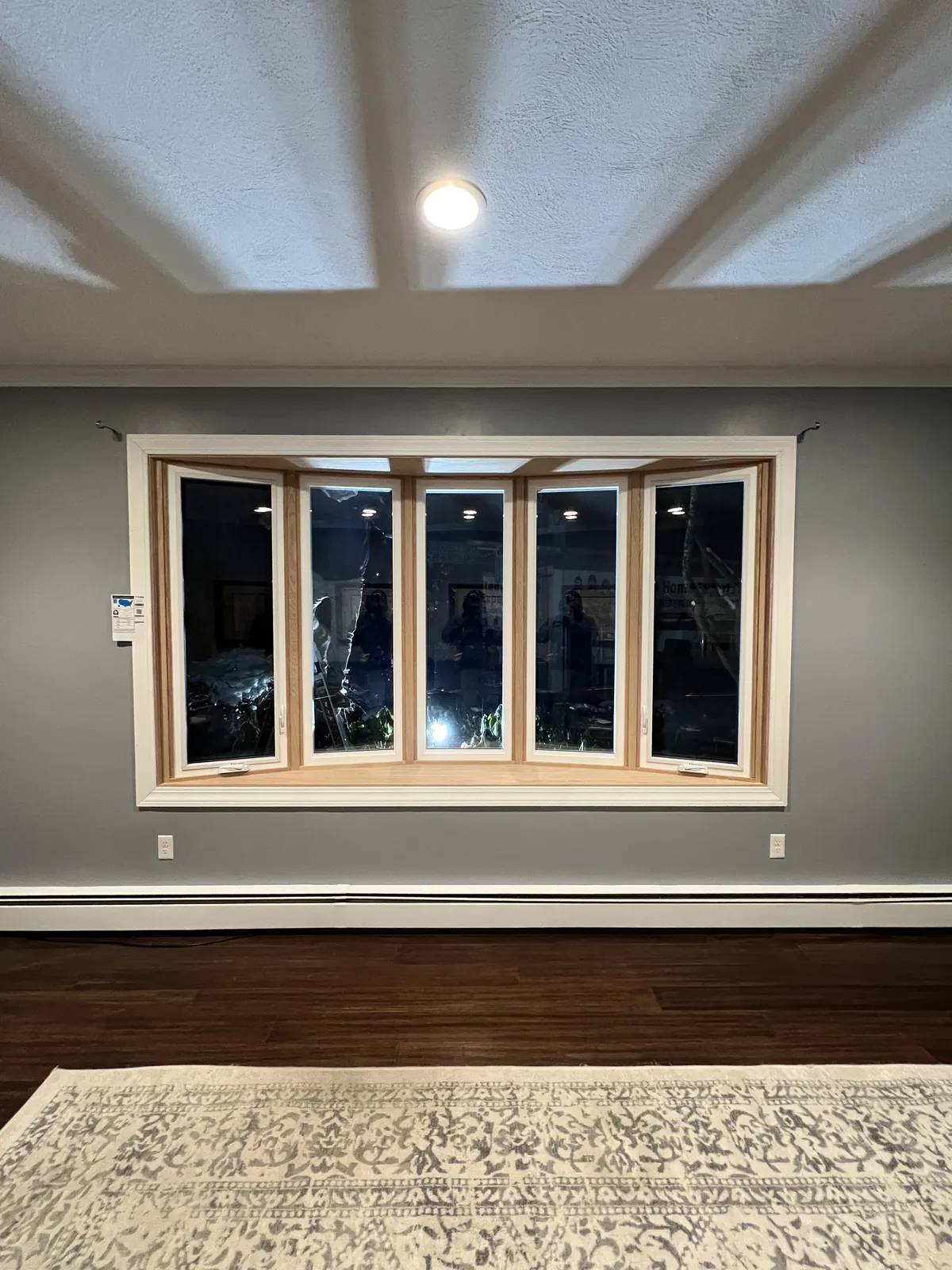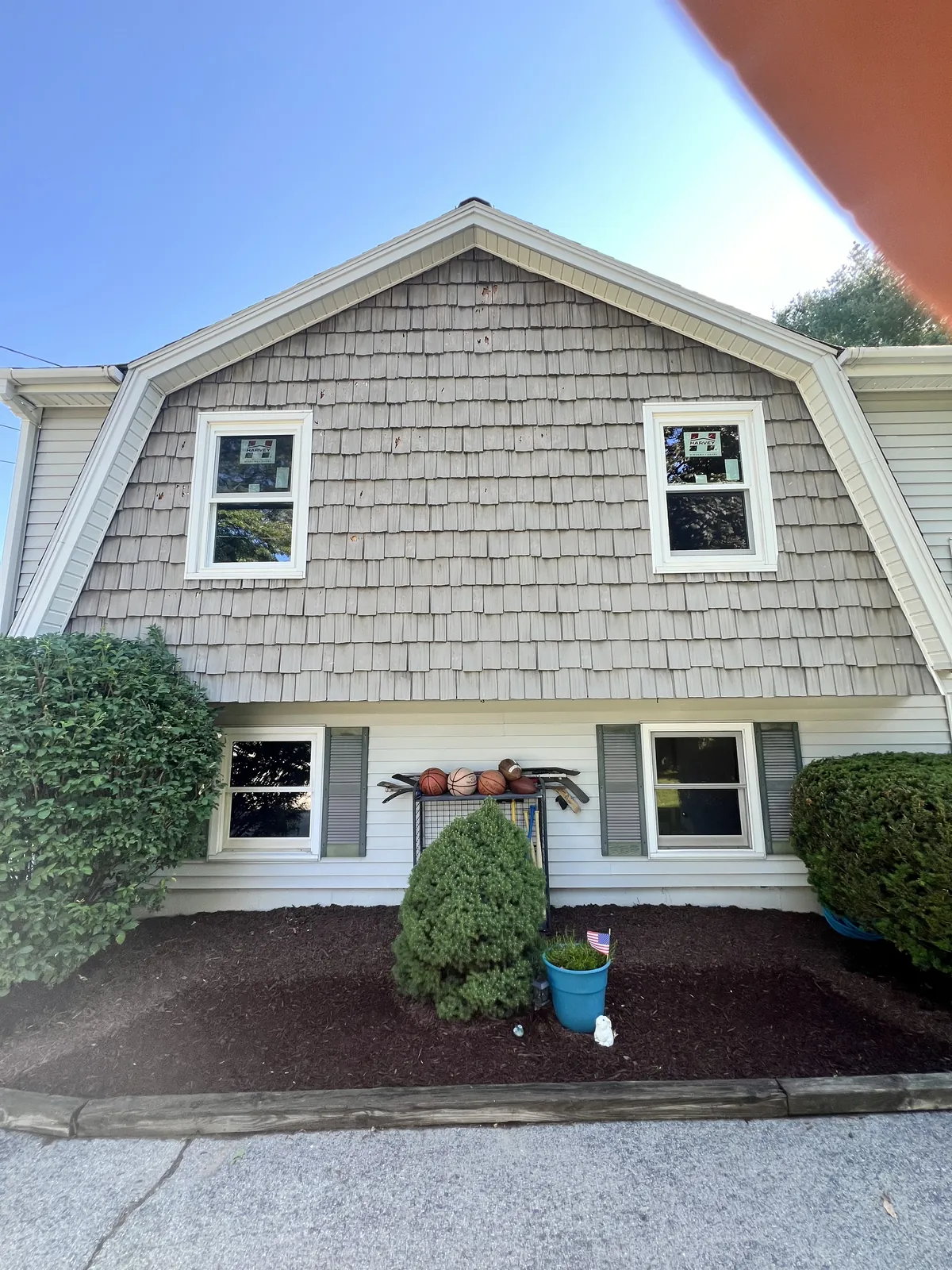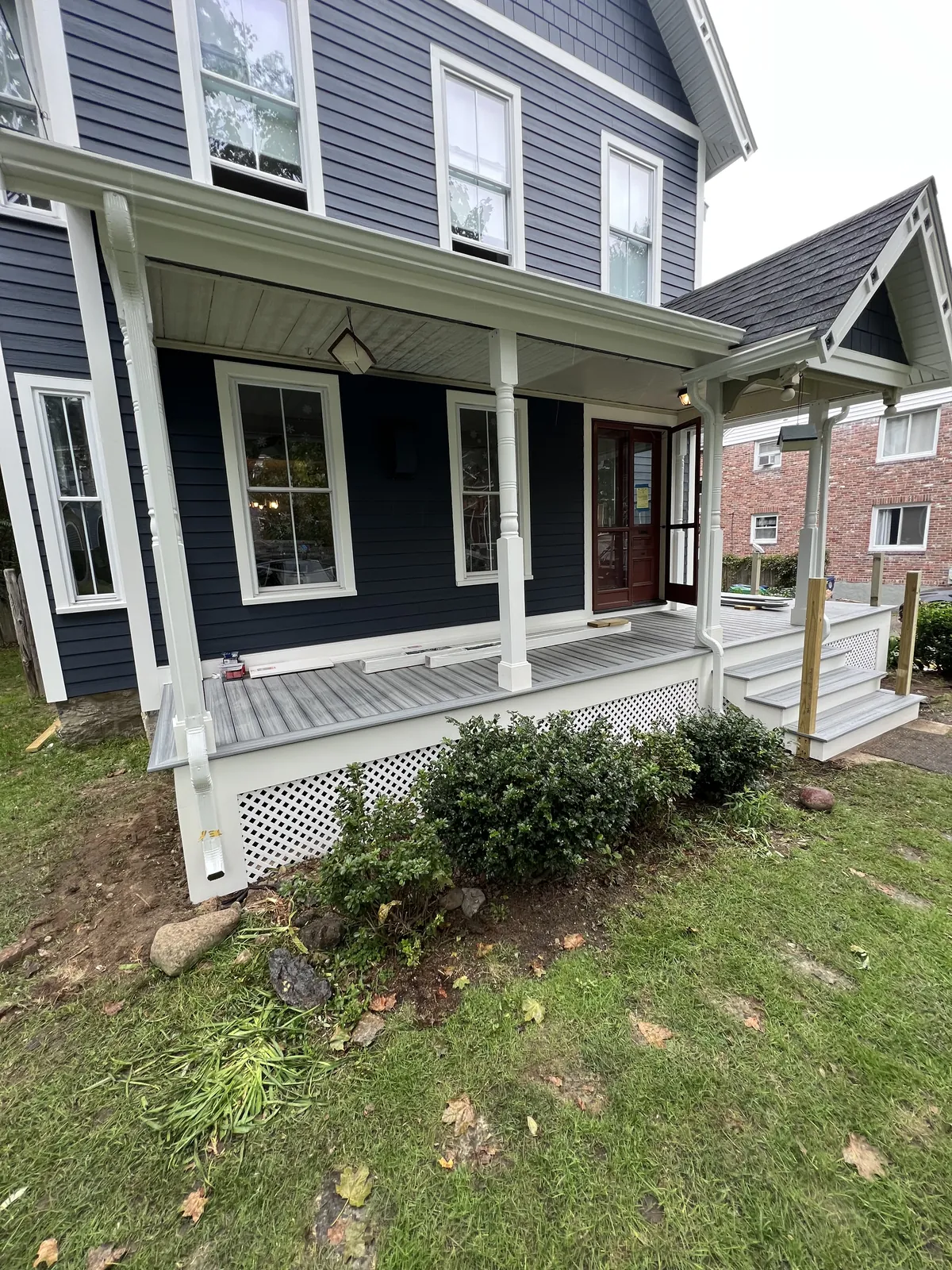
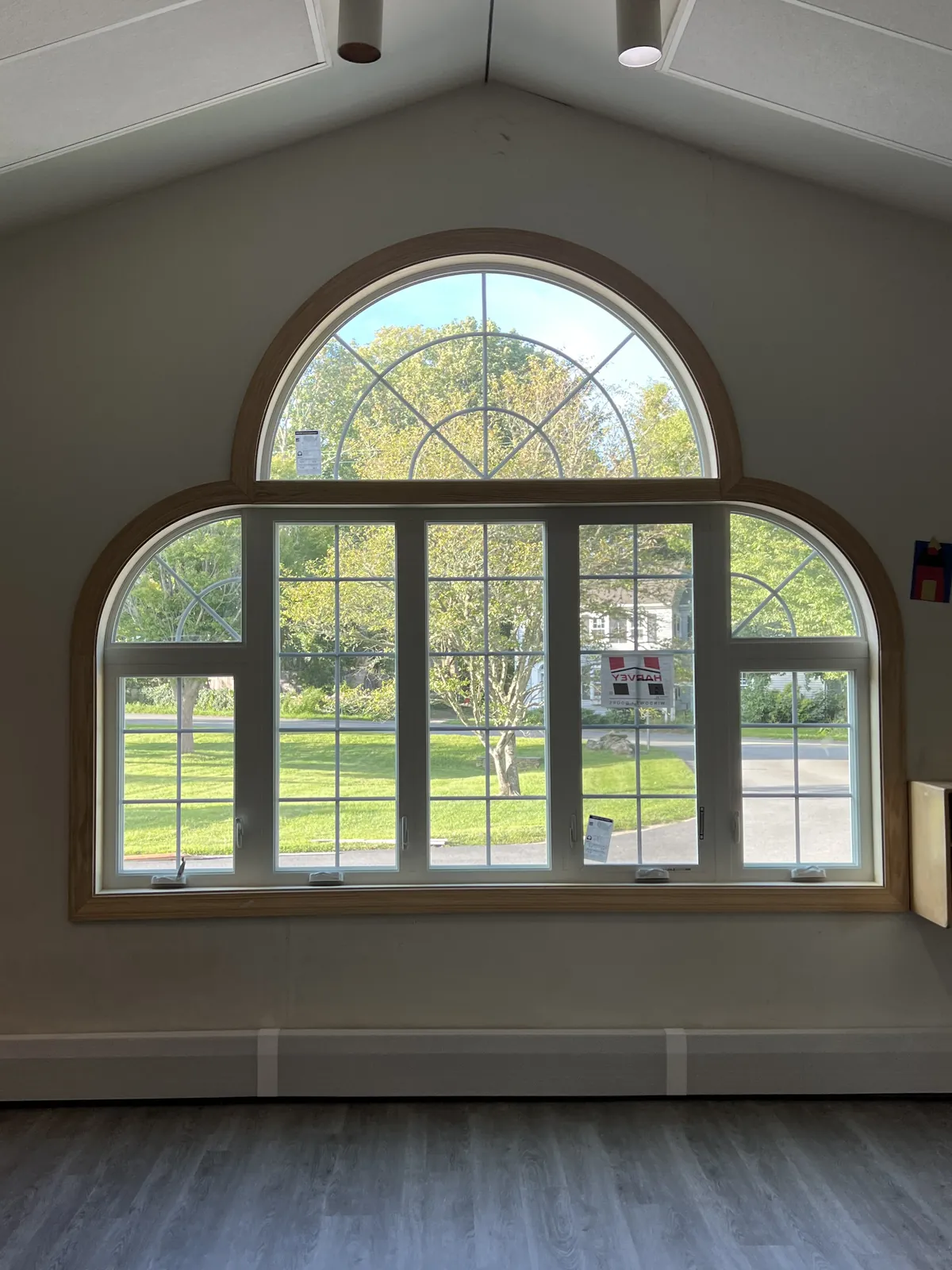
Every window quote is one of two jobs, and they are not comparable on price alone. If you are holding two estimates with a big gap between them, this is usually why.
Insert replacement
The old sashes come out and a new unit is set into the existing frame. The exterior trim and interior casing stay put. It is faster, less invasive, and cheaper.
It works well when the existing frame is genuinely sound and square. The trade-off is glass area: because the new unit sits inside the old frame, you lose an inch or so of visible glass on each side. On a large window you will not notice. On a small one you might.
Full-frame replacement
Everything comes out down to the rough opening: frame, sill, trim. The new window is set directly into the framing, flashed properly, insulated around the perimeter, and re-trimmed inside and out.
It costs more and takes longer. It is also the only option that lets anyone see and fix what is behind the old frame.
How we choose
- Any rot in the sill or frame means full-frame. There is no way to repair wood you cannot reach.
- Water staining on the interior casing means full-frame, because the flashing has already failed.
- A frame that is out of square means full-frame, or the new unit will never operate cleanly.
- A sound, dry, square frame in a house with trim worth preserving means an insert is the sensible choice.
- If the siding is coming off anyway, full-frame costs relatively little extra and is the better long-term job.
If a contractor quotes full-frame for every opening without inspecting the frames, or quotes inserts for a house with visible water damage, the number is being driven by something other than your house.
On most homes we end up recommending a mix: inserts where the frames are sound, full-frame on the two or three openings that need real work. That is usually the most honest use of the budget.
Have a project like this?
We will come out, look at the actual conditions and give you a written estimate at no cost.
Request a free estimate